Page Contents
There’s a moment, somewhere in mid-March, when the air shifts.
The ground softens underfoot, birdsong returns in the early hours, and the light stretches just a little longer into the evening. The spring equinox in the UK marks that turning point—when day and night stand in perfect balance, and the darker half of the year quietly loosens its grip.
But this isn’t just a date on the calendar.
For centuries, people across Britain marked the equinox as a time of renewal, fertility, and quiet awakening. A moment to step outside, reconnect with the land, and realign with something deeper than the noise of everyday life.
And one of the simplest, most powerful ways to honour that shift?
To walk.
Not for the distance. Not for the steps. But to return—to your body, your breath, and the landscape beneath your feet.
In this guide, you’ll find the most powerful spring equinox walks in the UK, along with simple ways to turn an ordinary walk into something far more meaningful.
What Is the Spring Equinox? (UK Guide 2026)
If you’ve ever wondered what is the spring equinox, it’s actually a simple but powerful moment in the Earth’s yearly cycle.
The spring equinox—also known as the vernal equinox—is the point when day and night are almost exactly equal in length. This happens because the Earth isn’t tilted toward or away from the sun, creating a rare moment of balance between light and darkness.
In the UK, the spring equinox in 2026 falls on Friday 20 March. From this point on, daylight hours begin to outstretch the night, marking a clear shift into longer, brighter days.
Astronomically, this is what signals the true beginning of spring—not the weather, which can still feel unpredictable, but the movement of the Earth itself.
For centuries, this balance of light has been seen as a turning point. A quiet threshold between the stillness of winter and the growth of the months ahead.
Why the Spring Equinox Marks the First Day of Spring in the UK
In the UK, the first day of spring is defined in two ways: meteorological and astronomical.
The meteorological calendar fixes spring from 1 March for simplicity. But the astronomical first day of spring in the UK begins with the spring equinox, when the Earth’s position shifts and daylight starts to dominate.
This is why the equinox has held such importance for generations—it reflects a real, visible change in the natural world. Longer days, rising energy, and the first true signs of seasonal transition.
But while the spring equinox can be explained astronomically, its deeper significance has always been felt rather than measured.
For generations, people across England didn’t just observe this moment—they marked it. Through ritual, movement, and time spent on the land, the equinox became something to experience, not just understand.
The Spiritual Meaning of the Spring Equinox in England
While the spring equinox can be explained through astronomy, its deeper meaning has always been tied to something more human—our relationship with the land, the seasons, and the quiet cycles of change we move through each year.
At its core, the spring equinox spiritual meaning is about balance.
Light and dark stand as equals, if only for a moment. And in that pause, there’s an invitation—to take stock, to reset, and to step forward with intention as the year begins to open again.
Across England, long before modern calendars, this seasonal turning point was marked in subtle but meaningful ways. Not through grand celebrations alone, but through an awareness of the shifting light, returning growth, and the reawakening of the natural world.
Ancient British Traditions and Seasonal Rituals
In ancient Britain, life was closely tied to the rhythms of the land. The changing seasons weren’t background—they shaped everything.
The spring equinox sat at the threshold between survival and abundance. Food stores were low, but the first signs of growth were returning. It was a time of cautious optimism, of watching and waiting, of recognising that something new was beginning to stir.
Sites like Avebury Stone Circle, Stonehenge and Glastonbury Tor are often associated with these seasonal shifts—places where people gathered, observed the land, and marked key moments in the year’s cycle.
While much has been lost to time, what remains is a sense that the equinox was not just observed, but felt—a moment to realign with the natural world and acknowledge the delicate balance between rest and growth.
Why This Seasonal Shift Matters for Women Today
Today, it’s easy to move through the seasons without noticing them at all.
Life continues at the same pace, regardless of whether the days are short or long. But that disconnection often comes at a cost—burnout, restlessness, a sense of being slightly out of step with yourself.
The spring equinox offers a quiet course correction.
It doesn’t demand dramatic change. Instead, it invites something simpler: to notice what’s shifting, both around you and within you. To let go of what winter has asked you to carry, and to make space—gently—for what might grow next.
For women especially, reconnecting with seasonal rhythms can feel like a return to something instinctive. A slower, more grounded way of moving through the year. One that makes room for both rest and renewal.
And sometimes, the most powerful way to begin that reconnection is not through thinking—but through walking.
Why Walking Is the Most Powerful Way to Celebrate the Spring Equinox
There are plenty of ways to mark the changing of the seasons—but few are as simple, or as effective, as stepping outside and walking.
Not with a destination in mind. Not to track distance or pace. But to move slowly enough that you actually notice what’s changing.
At the spring equinox, that shift is subtle but unmistakable. The air feels softer, the light lingers, and the landscape begins to wake from its winter stillness. Walking places you directly inside that transition, rather than observing it from a distance.
It becomes less about “celebrating” the equinox—and more about experiencing it.
Walking as a Modern Pilgrimage
For centuries, walking wasn’t just practical—it was purposeful.
Pilgrimage routes once crossed the English landscape, connecting people not just to places, but to meaning. The journey itself mattered. Each step was a way of processing, reflecting, and gradually arriving somewhere—both physically and internally.
That same intention still exists, if you choose to bring it with you.
A spring equinox walk can become a kind of modern pilgrimage. A chance to step away from routine, to create space, and to mark a transition point in your own life—however quietly.
You don’t need a long route or a dramatic plan. Just the decision to walk with awareness.
The Power of Place: Why Location Matters in England
Not all walks feel the same—and in England, place carries history in a way that’s hard to ignore.
Ancient paths, hilltops, stone circles, and coastal routes have been walked for generations. Many of these landscapes were, and are still, considered sacred sites, not necessarily because of anything mystical or distant, but because they were deeply tied to the rhythms of life—seasonal change, food, survival, and community.
Walking in these places at the spring equinox adds another layer.
You’re not just moving through scenery. You’re stepping into landscapes that have witnessed this same seasonal shift for centuries—where others have stood at this exact point in the year, noticing the return of light and the promise of growth.
And that’s where walking becomes something more than exercise.
It becomes a way of reconnecting—not just with nature, but with a longer, older rhythm that still exists beneath the surface of modern life.
7 Spring Equinox Walks in South West England for Spiritual Renewal
There’s something quietly powerful about walking at the spring equinox—especially in landscapes that have held meaning for generations.
Across South West England, you’ll find places where the shift in season feels more tangible. Open hilltops, ancient sites, and coastal paths where light, space, and history combine to create something you don’t just see—you feel.
These walks aren’t about distance or difficulty. They’re about choosing a place, stepping into it fully, and allowing the changing season to meet you there.
Glastonbury Tor Spring Equinox Walk
There are few places in England that hold as much quiet intensity as Glastonbury Tor—and at the spring equinox, that feeling becomes even more tangible.
Rising steeply from the Somerset Levels, the Tor has long been associated with myth, pilgrimage, and spiritual awakening. Some link it to Avalon, others to ancient earth energies—but whatever you believe, it’s a place that invites reflection.
Walking here at the spring equinox offers something simple but powerful: perspective.
As you make your way up the winding path, the landscape gradually opens around you. Fields stretch out in every direction, the horizon soft and expansive, the light balanced in that rare equinox stillness. It’s the kind of place that naturally slows your thoughts.
At the top, pause.
Take a breath. Notice what feels ready to shift. The equinox is a moment of balance—but also of beginning again.
Reflection for your walk:
What am I ready to leave behind—and what feels ready to grow in its place?
Avebury Stone Circle Equinox Walk
Walking through Avebury Stone Circle at the Avebury stone circle equinox is unlike any other experience in England.
Avebury isn’t something you observe from a distance—you move within it. The stones rise around you, placed across a vast open landscape that feels both expansive and deeply rooted.
At the equinox, that sense of scale becomes even more noticeable. The wide skies, the balance of light, and the slow turning of the season all seem to settle into the space.
There’s no single path to follow here. Instead, let yourself wander. Walk between the stones, pause when something catches your attention, and allow the openness of the landscape to quiet your thoughts.
Reflection for your walk:
Where in my life am I being asked to find balance—and what might that look like in practice?
Brent Knoll Spring Walk for Perspective
Rising sharply from the Somerset Levels, Brent Knoll offers one of the most striking viewpoints for a Brent Knoll walk in Somerset.
The climb is short but steady, winding upwards until the landscape suddenly opens out in every direction. Fields stretch for miles, the horizon wide and uninterrupted.
At the spring equinox, this sense of perspective feels particularly fitting. As the season shifts, the view from the top creates space—not just physically, but mentally.
It’s a place to step back from the detail of everyday life and see things more clearly.
Take your time on the ascent. Notice how your breathing changes, how your focus narrows, and then expands again as you reach the summit.
Reflection for your walk:
What feels clearer when I give myself space—and what no longer needs my attention?
St Michael’s Mount Tidal Island Equinox Walk
Few walks feel as symbolic as crossing the causeway on a St Michael’s Mount spring walk.
At low tide, the stone causeway emerges from the sea, allowing you to walk across to the island. At high tide, the path disappears entirely beneath the water.
This natural rhythm—appearance and disappearance, access and retreat—mirrors the essence of the equinox itself: a moment of balance between opposing forces.
Timing your walk with the tide adds intention to the experience. As you cross, there’s a quiet awareness that this path won’t always be there.
Move slowly. Notice the sound of the water, the shifting light, the sense of transition with each step.
Reflection for your walk:
What in my life is shifting—and how can I move with it, rather than resist it?
Cheddar Gorge Spring Equinox Walk
For something more dramatic, a Cheddar Gorge walk in spring offers a powerful contrast to the softer landscapes of changing seasons.
Towering limestone cliffs rise on either side, creating a sense of scale that feels both grounding and expansive. The path winds through the gorge, with steep ascents and sweeping views across the surrounding countryside.
At the equinox, this landscape holds a different kind of energy—less about stillness, and more about movement and change.
It’s a place to feel the physicality of walking. The effort of climbing, the rhythm of your steps, the steady return to breath.
Let the landscape challenge you. Let it wake you up after the slower pace of winter.
Reflection for your walk:
Where am I being asked to step forward with more energy or courage?
Mendip Hills Sunrise Walk for the Equinox
There’s something especially powerful about beginning your Mendip Hills spring walk at sunrise.
As the light returns earlier each day, the equinox becomes a natural invitation to start again—to meet the day at its beginning, rather than somewhere in the middle.
The rolling hills of the Mendips offer wide, open views—perfect for watching the gradual shift from darkness into light.
Arrive early. Walk as the sky begins to change. Let the quiet of the morning settle around you.
This isn’t a walk to rush. It’s one to arrive into slowly, allowing the new season to unfold in front of you.
Reflection for your walk:
What am I ready to begin again—with more intention this time?
Dartmoor Sacred Landscape Walk
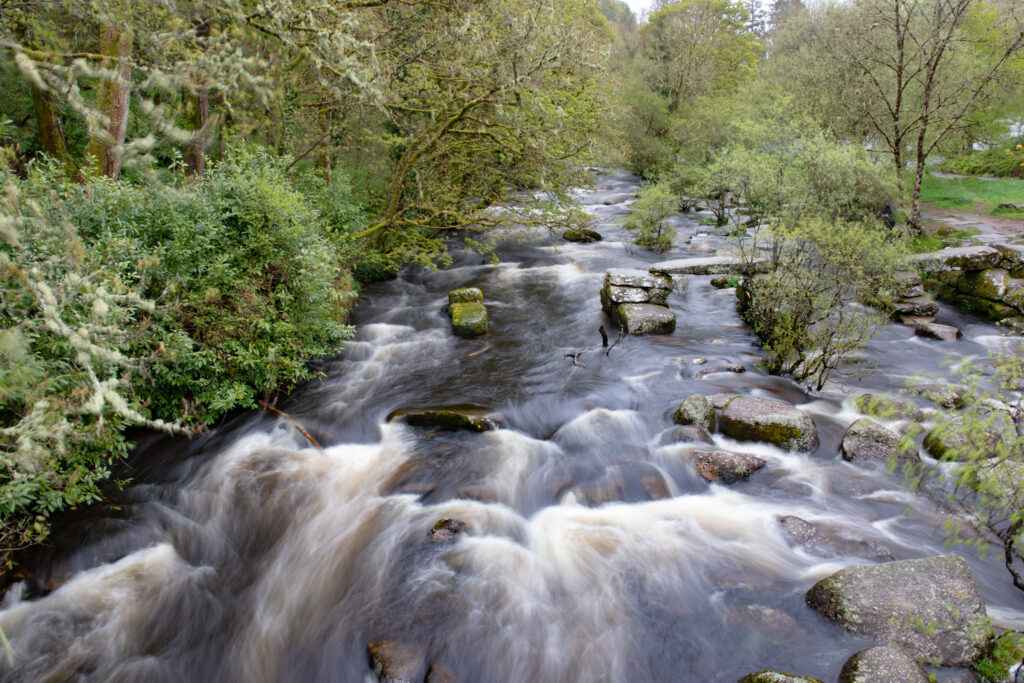
Few places hold as much quiet depth as Dartmoor, making it ideal for a Dartmoor spiritual walk at the spring equinox.
Vast, open, and often unpredictable, Dartmoor invites a different kind of attention. The landscape is less defined, the paths less obvious, and the experience more inward as a result.
Ancient stone rows, tors, and wide stretches of moorland create a sense of timelessness—as though the seasons move at their own pace here.
At the equinox, this feeling is amplified. The balance of light and dark seems to stretch across the land itself, reflected in the shifting skies and changing weather.
Walk without needing to arrive anywhere specific. Let the openness guide you.
Reflection for your walk:
What happens when I stop trying to control the path—and simply trust where I am?
A Simple Spring Equinox Ritual You Can Do on Your Walk
You don’t need anything elaborate to mark the changing of the seasons.
A spring equinox ritual can be as simple as choosing to walk with intention—using the time and space around you to notice what’s shifting, both in the landscape and within yourself.
The key isn’t what you do. It’s how present you’re willing to be.
Step-by-Step Equinox Walking Ritual
Before you set off, pause for a moment.
Take a breath, and ask yourself a simple question:
What feels ready to change?
You don’t need a perfect answer—just an awareness of where you are right now.
As you begin walking, let yourself slow down. Notice the details you’d usually miss: the light through the trees, the softness of the ground, the sounds returning after winter’s quiet. This is where the season begins to reveal itself.
At some point during your walk, find a place to stop.
It might be a hilltop, a stretch of open land, or somewhere that simply feels still. Stand there for a few moments and reflect on what you’re ready to leave behind from the darker months—habits, thoughts, or patterns that no longer fit.
If it feels natural, you might want to mark the moment with a small, personal gesture. Some people leave a stone, touch the earth, or simply stand in silence and breathe.
To close, you can offer a quiet spring equinox blessing—nothing formal, just a few words in your own mind. Something like:
May I move into this new season with clarity, energy, and openness to what’s beginning.
Then continue your walk, without rushing. Let the rest of the journey feel lighter, as if something has gently shifted.
If you would like more guidance on walking with intention, sign up to receive my free gift ‘Turn any walk into a sacred walk’.
What to Bring on a Spring Equinox Walk (UK Checklist)
Spring walking in the UK can be unpredictable—bright sunshine one moment, a sharp chill or sudden rain the next. Being prepared means you can stay present and enjoy the experience, rather than being distracted by discomfort.
When thinking about hiking essentials for the UK spring, it’s less about packing more and more about packing well. A few thoughtful items can make all the difference between a rushed walk and one that feels calm, grounded, and enjoyable.
If you’re wondering what to wear hiking in the UK in spring, the key is adaptability. Layers, comfort, and weather awareness will carry you through most conditions you’re likely to face at this time of year.
Spring Walking Essentials for Women
Boots
A reliable pair of waterproof walking boots is essential, especially with muddy paths and damp ground common in early spring. Look for something supportive but comfortable enough for longer walks.
Layers
Start with a breathable base layer, then add warmth with a fleece or jumper, and finish with a lightweight waterproof jacket. Spring weather changes quickly—layers let you adjust as you go.
Journal
If you’re using your walk as a moment of reflection, a small notebook or journal can be surprisingly powerful. Even a few words written down can help anchor the experience.
Food & drink
Bring enough water for your route, plus something simple to eat. A warm drink in a flask can make a big difference if you’re stopping to pause and take in your surroundings.
How to Celebrate the Spring Equinox in the UK (Simple Ideas)
You don’t need to travel far or plan anything elaborate to celebrate the spring equinox in the UK. In many ways, the simplest approaches are the most meaningful—especially at a time of year that’s all about quiet transition and renewal.
Start by stepping outside.
A short walk in nature, whether through woodland, along the coast, or across open fields, is one of the easiest ways to mark the shift in seasons. Pay attention to what’s changing—the light, the air, the first signs of growth returning.
You might choose to begin your day with a few moments of stillness, setting an intention for the months ahead. Or take time to reflect on what you’re ready to leave behind as winter comes to a close.
If you’re drawn to something more tangible, a simple seasonal ritual—like journaling outdoors, watching the sunrise, or revisiting a favourite natural place—can help anchor the moment.
However you choose to mark it, the spring equinox is less about doing more, and more about noticing what’s already beginning to shift.
Spring Equinox UK FAQs
How do people celebrate the spring equinox in the UK?
People celebrate the spring equinox in the UK in a variety of simple, nature-based ways. For many, it’s about spending time outdoors—walking, visiting ancient sites, or simply noticing the seasonal shift as days become lighter and longer.
Others mark the moment more intentionally, through personal rituals such as journaling, setting intentions, or offering a quiet spring equinox blessing. The focus is less on large-scale celebration and more on reconnecting with the land and acknowledging the transition from winter into spring.
Where can I go for the spring equinox in England?
England offers no shortage of meaningful places to experience the equinox. Landscapes with a strong sense of history and openness tend to feel especially powerful at this time of year.
Locations like Glastonbury Tor and Avebury Stone Circle are popular choices, as well as coastal paths, hilltops, and national parks across the South West.
Ultimately, the best place to go is somewhere that allows you space to walk, reflect, and notice the changing season.
Are there spring equinox festivals in the UK?
Yes, there are small-scale gatherings and events across the UK to mark the spring equinox, often rooted in pagan or earth-based traditions. These can include guided rituals, group walks, and ceremonies held at ancient or historically significant sites.
However, many people choose to mark the equinox in a more personal way—away from crowds—by creating their own quiet moment in nature. Both approaches can be equally meaningful, depending on what you’re looking for.
Step Into the New Season
The spring equinox in the UK is easy to overlook—but when you choose to pause and mark it, even in a small way, it can become something quietly powerful.
You don’t need to do everything.
Choose one walk. One place. One moment to step outside and pay attention.
Let yourself notice the shift—the longer light, the subtle warmth, the sense that something is beginning again. This is where the real value lies, not in doing more, but in taking the time to reconnect with nature in the UK and with yourself.
If you find yourself wanting more of this—more intention, more meaning, more connection through walking—this is something you can continue to explore, one step at a time.
Because sometimes, the simplest walks are the ones that stay with you the longest.
I’ll see you on the path ahead.
Jenni 👣
